Making a recording is like capturing a musical moment in time. But have you ever wondered how to make your music sound its absolute best? That's where music mastering comes in. In this blog, we'll explore why mastering is essential and how it can significantly improve your recordings.
What Is Music Mastering?
Mastering is the final step in the music production process. It involves balancing the sonic elements of a stereo mix and optimizing playback across all systems and media formats. Essentially, it’s the finishing touch that ensures your music sounds great everywhere.
In more technical terms, mastering corrects minor mix balance issues and enhances particular sonic characteristics. It’s about giving your track that extra sheen and clarity so it stands out in any environment—be it a car system, streaming platform, or a personal listening device. The goal is to create a final stereo version that translates well across various platforms, meeting industry standards.
The Role of a Mastering Engineer
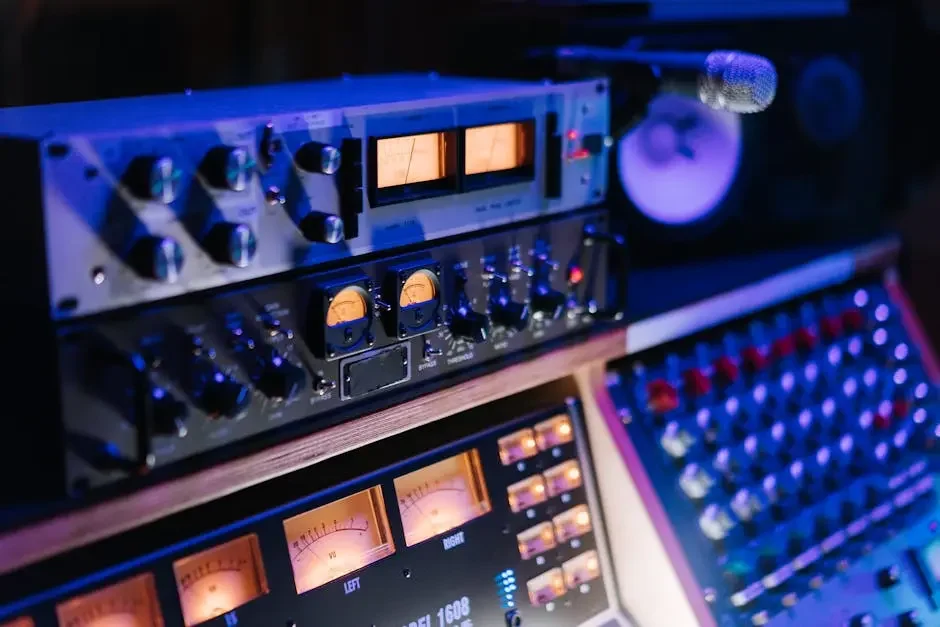
A mastering engineer is a skilled professional who listens critically to a track and makes adjustments to enhance sound quality. They use specialized equipment to adjust levels, frequencies, and dynamics, ensuring that the end product is polished and ready for distribution.
Beyond technical skills, mastering engineers act as a fresh set of ears. After spending countless hours mixing, you might lose perspective on your track's nuances. An engineer can identify areas that need enhancement or restraint, ensuring each element complements the overall sound. They ensure the track transitions smoothly from quiet to loud sections and prevents distortion that might detract from the musical experience.
The magic of a mastering engineer also lies in their ability to enhance the emotional impact of a song. Through their adjustments, they amplify the intended emotion or vibe of your track, ensuring listeners connect with your music just as you envisioned.
Benefits of Music Mastering
Music mastering brings a range of benefits. It ensures your tracks are consistent in volume, clarity, and tonal balance. Mastering can also add depth and warmth to your recordings, making them more enjoyable for your audience, whether they're listening through high-quality speakers or standard headphones.
One of the intangible yet profound benefits of mastering is the competitive edge it gives your music. In a world saturated with recordings vying for attention, a well-mastered track can captivate listeners within the first few seconds, encouraging them to engage deeper with your work. A beautifully mastered song can evoke emotion more effectively, making your music memorable and impactful.
Beyond sonic quality, mastering also prepares your music for various distribution formats and standards, ensuring your tracks sound consistent on streaming platforms, CDs, and vinyl. This versatility means your music can reach a broader audience without compromising quality.
Common Misconceptions About Mastering
Many people think mastering is just about making music louder. However, it's much more than that. Mastering involves subtle adjustments that enhance the listening experience without compromising the quality or integrity of the original recording.
Another common misconception is that mastering can fix all mixing errors. While mastering can resolve minor issues, it is not a substitute for a well-crafted mix. A high-quality mix provides a robust foundation for mastering, enabling engineers to refine its qualities and elevate its sound.
Furthermore, some believe digital tools can replace the need for professional mastering. However, despite advances in technology, the human element—a mastering engineer's subjective judgment and artistic touch—remains irreplaceable. Their expertise ensures your music fulfills its potential.
DIY vs. Professional Mastering
While there are DIY tools available for mastering, hiring a professional can make a significant difference. A seasoned mastering engineer brings expertise and an objective ear, ensuring that your music reaches its full potential.
DIY mastering might seem appealing due to its cost-effectiveness and convenience, yet it often lacks the precision and polish that professionals provide. DIY tools can offer basic fixes, but they rarely match the experience and insight that come with professional mastering. A trained ear can discern and adjust nuances that automated systems might overlook, providing an edge in sonic excellence.
In the long run, professional mastering may prove to be more cost-effective than one might assume, especially when considering the value it adds to your music. It’s an investment that not only enhances your audio but elevates your brand as an artist. At its core, professional mastering is about bringing your musical vision to life at its finest, offering listeners a captivating, immersive experience.
The Final Touch to Your Music Journey
Music mastering is not just a technical step but an artistic one that elevates your recordings to a professional standard. By smoothing out rough edges and ensuring every track sounds cohesive, mastering can make your music listening experience unparalleled. So, whether you're an aspiring artist or a seasoned musician, mastering is an investment in your music's future.