10 Tips for a Successful Studio Session
Stepping into a recording studio can be both exciting and nerve-wracking. Whether you're a seasoned artist or this is your first time, having a plan can make your studio session more efficient and enjoyable. Here, we share some friendly tips to help you make the most out of your time in the studio.
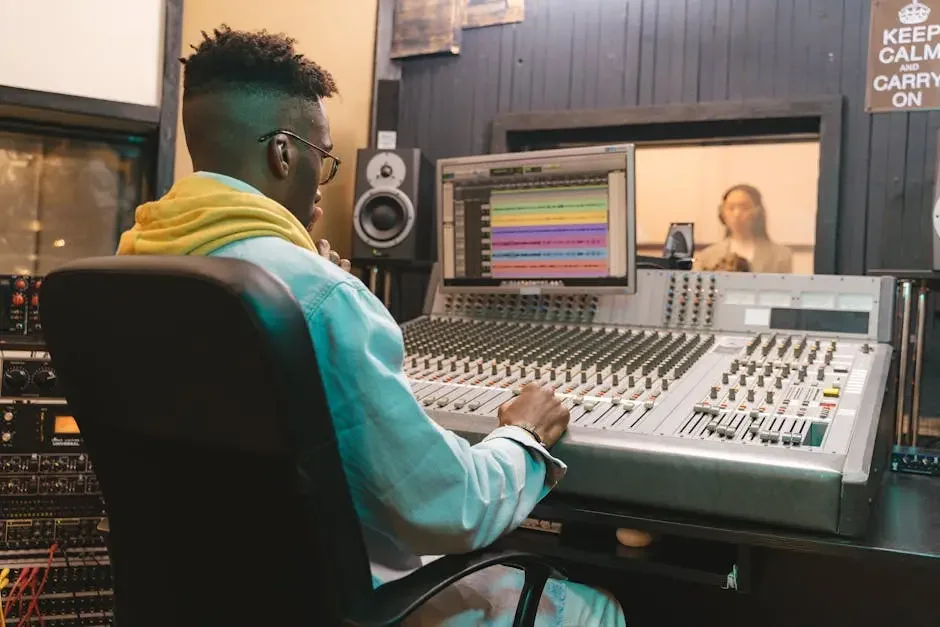
1. Start with a Clear Plan
Before you even enter the studio, have a clear vision of what you want to achieve. Creating a checklist of your goals can help keep the session focused and productive. It’s essential to know what songs you’re recording and what creative ideas you want to explore. This foresight saves valuable time in the studio, allowing more room for creativity. Consider meeting with your producer beforehand to go over the plan and ensure everyone is on the same page. This collaborative approach can make a big difference in achieving a successful recording session.
Planning doesn't have to be rigid; think of it as a flexible roadmap. While you should have a clear outline, also allow room for changes as inspiration strikes. You might find that the mix you planned doesn't work or a lyric needs tweaking when you're in the flow of the moment. By having a baseline plan, you'll be in a better position to adjust spontaneously without derailing the entire session.
2. Know Your Material
Familiarize yourself with your music or script to minimize mistakes and retakes. Practice ahead of time to ensure everything runs smoothly. The studio is a dynamic environment where every minute counts, so coming prepared can prevent unnecessary stress. Try practicing in a setting similar to a studio and use equipment you're going to record with, this acclimatization can significantly boost your confidence and performance.
It's also wise to bring a hard copy of your lyrics or music sheets. Even seasoned artists can forget lines under pressure, and a quick glance can keep the session moving smoothly. Furthermore, understanding the nuances of your pieces helps you communicate more effectively with the producer, whether you’re adjusting levels or discussing the mood you’re aiming for with a particular track.
3. Communicate with Your Team
Clear communication with your producer, engineer, and other team members is critical. Express your ideas and listen to their feedback for a collaborative effort. Teamwork in the studio can be fun and rewarding when everyone is on the same wavelength. To foster this environment, be open about your creative aspirations and receptive to advice.
It's equally important to establish a common language for expressing musical ideas. Creating a reference system—such as describing parts of the song with vivid imagery or emotions—can bridge the gap between abstract ideas and tangible outcomes. This level of collaboration can make the difference between an ordinary recording and an exceptional one.
4. Warm Up Before Recording
Whether it's vocal exercises or instrument tuning, warming up helps in delivering your best performance and capturing quality sound. Just like athletes, artists must prepare their bodies for peak performance. A good vocal warm-up can reduce strain and improve your range, ensuring that you maintain consistency throughout.
Instruments also require attention. Checking your equipment and performing a quick sound check can prevent avoidable issues. Consider the importance of acoustics in the studio setting, and make necessary adjustments to ensure everything is in sync. By investing time in warming up, you’re more likely to achieve a polished final product.
5. Stay Relaxed and Focused
Anxiety can hinder your performance. Take deep breaths and stay calm to maintain focus and energy throughout the session. The studio can be an intimidating place, especially if it's your first time. To combat nerves, use mindfulness techniques, such as focusing on your breathing or visualizing a successful recording, to maintain your cool.
Staying focused also involves being present in the moment. Avoid distractions, set clear boundaries for the session, and make sure you're not carrying outside stress into the studio. Sometimes taking a step back and grounding yourself can make all the difference in capturing that perfect take.
6. Be Open to Experimentation
Allow yourself some creative freedom. Trying out new ideas can lead to unexpected and exciting results. Don’t shy away from experimenting with different vocals, sounds, and arrangements. Sometimes, a spontaneous idea can turn into the highlight of your recording.
Experimentation is not about changing just for the sake of it, but rather embracing the creative process. By being open to suggestions from your team or reacting to the vibes in the room, you may discover a new direction for your work that resonates even more with your artistic vision.
7. Take Breaks to Recharge
Don't underestimate the power of short breaks. They can help you reset your mind and maintain a high level of productivity. Breaks are not wasted time; they’re essential for sustaining creativity and avoiding burnout during long sessions.
Use break time to do something entirely different—take a walk, chat with your team, or simply relax with some music you love. Brief distractions can help bring a fresh perspective back to your work. Remember that maintaining a good balance between work and rest can lead to more effective and fulfilling sessions.
8. Listen and Adjust
After each take, listen to the playback and be willing to adjust as needed. It's a crucial part of refining your work. Take listening breaks seriously and don’t rush through them. Identify areas that need improvement and discuss them with your team to find effective solutions.
Consider using tools like headphones and monitors to get a precise sense of your sound. They can reveal intricacies in your recordings that might not be obvious otherwise. Adjust as required, keeping an ear out for both technical perfection and artistic expression.
9. Manage Your Time Wisely
Keeping track of your time helps to avoid rush and stress. Allocate specific times for each task and stick to your schedule. By setting realistic time limits for each part of the session and adhering to them, you ensure that everything gets done without last-minute panic.
Time management isn't just about being strict; it’s about being smart. Use tools or apps that can help schedule breaks, set reminders, or organize tasks. This approach makes it possible to stay flexible and ready to adapt if something unexpected comes up.
10. End on a Positive Note
Always wrap up your session by discussing what went well and planning for future improvements. A positive end can set the tone for your next studio day. Celebrate the wins and reflect on the lessons learned, which can greatly enhance your recording journey.
Moreover, take a moment to thank your team for their hard work and contributions. Building a respectful and encouraging environment fosters creativity and collaboration, making future sessions something to look forward to. This positive atmosphere is an integral part of a successful studio experience.